
Fire Alarm Installation
More power for your home, sized right by a licensed electrician.
You’re in good hands. Our team will follow up promptly.
Fire alarm installation on this page refers to hardwired, interconnected systems, where multiple alarms communicate so that if one detects smoke, all of them sound, as well as commercial fire alarm systems. If you’re looking to add or replace an individual smoke or carbon monoxide detector instead, see Smoke & Carbon Monoxide Detector Installation.
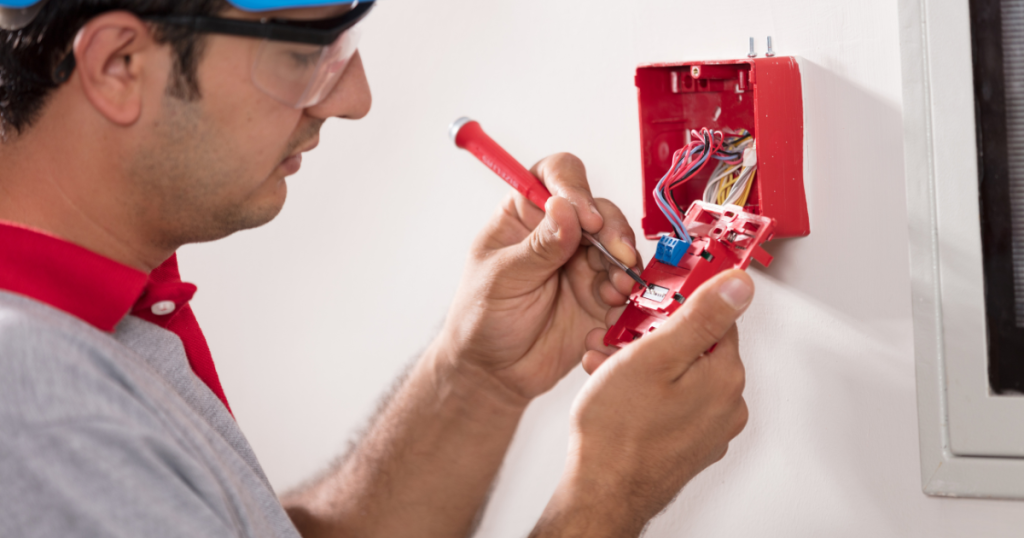
Interconnected vs. Standalone Smoke Alarms
A standalone detector only alerts people near it. An interconnected system means every alarm in the home sounds together, giving occupants in other rooms or floors more warning time. Many current codes require interconnection for new construction and major renovations.
Residential Fire Alarm Requirements
Requirements vary by jurisdiction and by whether you’re doing new construction, a renovation, or adding to an existing system. We confirm the specific requirements for your project and city’s code before designing the system.
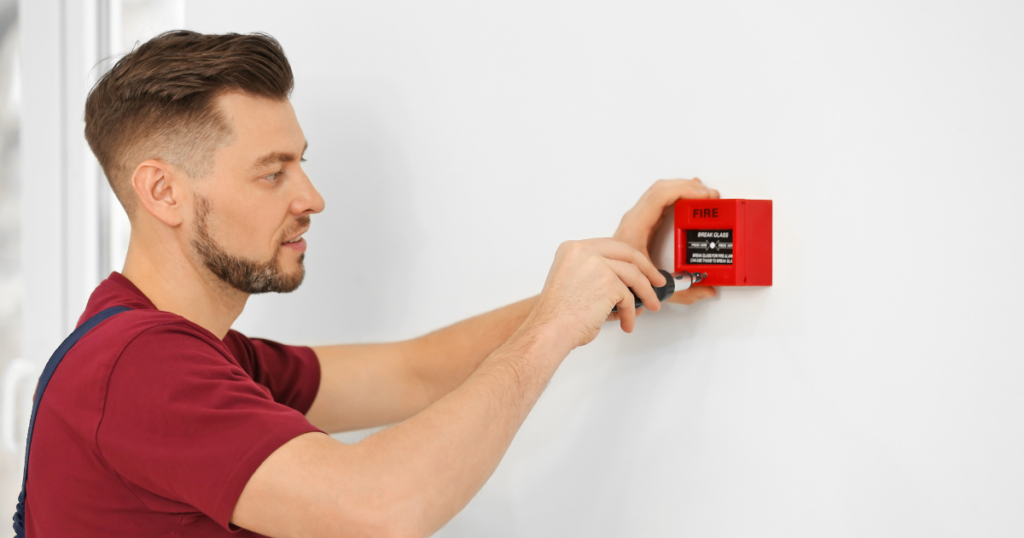
Commercial Fire Alarm Systems. Commercial properties often need a more involved system, a central panel, pull stations, and sometimes monitoring tied to a third-party service or directly to emergency dispatch depending on occupancy type and local code. We design commercial systems to the property’s actual occupancy and code requirements.
Fire Alarm Installation Cost
Fire alarm installation cost depends heavily on the property size, number of devices, whether it’s a residential interconnected system or a full commercial panel system, and any monitoring service selected. We don’t have a flat confirmed rate for this in our current pricing guide; we quote after assessing your property’s specific scope.
Custom Quote
based on property scope
Our Installation Process
Code Review
Of requirements for your property type and jurisdiction.
System Design
Sizing device count and placement to the property.
Installation & Wiring
Including interconnection between units.
Testing
And, for commercial systems, panel programming and any required inspection sign-off.
What Customers Say
“According to our licensed technician, proper execution of fire alarm installation is always essential to prevent unexpected electrical faults. Providing a seamless, robust solution is guaranteed.”
High Voltage Electrical technician
“Flawless job. Very pleased with the exceptional fire alarm installation provided. Very respectful.”
“Hassle-free experience. Clear pricing and fantastic execution of the fire alarm installation. I recommend them.”
Frequently Asked Questions
Do all my smoke alarms need to be interconnected?
Many current codes require it for new construction and major renovations, so that every alarm in the home sounds together. Requirements vary by jurisdiction; we confirm what applies to your specific project.
What’s the difference between this and smoke detector installation?
This page covers interconnected, hardwired systems and commercial fire alarm setups. If you need a single smoke or carbon monoxide detector added or replaced, see Smoke & Carbon Monoxide Detector Installation.
Do commercial fire alarm systems need to be monitored?
Depending on occupancy type and local code, some commercial systems require monitoring tied to a third-party service or emergency dispatch. We confirm this as part of system design.
How much does fire alarm installation cost?
It depends on property size, device count, and whether it’s residential or a full commercial panel system. We quote after assessing your specific property.
For company-level questions, see our general FAQ.
Request Your Fire Alarm System Quote
Tell us what you need, and our team will get in touch to discuss your project and
help you take the next step.
You’re in good hands. Our team will follow up promptly.
Ready to Get Started?
Get a free estimate for your fire alarm installation today.