Table of Contents
- Understanding California SB 382 Electrical Panel Disclosure for Home Sellers
- What SB 382 Mandates for Electrical Panel Disclosures
- Impacts on Homeowners Selling Older California Properties
- The Importance of a Professional Electrical Inspection Before Listing
- Penalties for Non-Compliance with SB 382 Disclosure Requirements
- HOA Compliance and Electrical Panel Upgrades Under SB 382
- Ensuring Compliance and Protecting Your California Home Sale with Professional Guidance
Understanding California SB 382 Electrical Panel Disclosure for Home Sellers
California SB 382 electrical panel disclosure in California requires home sellers, effective January 1, 2026, to provide buyers with a statutory notice recommending an electrical system inspection to address potential fire risks and insurability concerns. This disclosure applies to most single-family home and condo sales, ensuring buyers know the panel’s condition before closing. Sellers should comply promptly: if the SB 382 notice is delivered late, the buyer has a right to cancel within three days after personal delivery or five days after mail or electronic delivery, making timely compliance essential. We can inspect your electrical panel to confirm its safety and help you address any insurability concerns before listing. The notice does not mandate repairs; it simply informs buyers so they can assess the panel’s condition and determine insurability. The required statutory language, delivery methods, and exact timeline for providing the notice are covered in the following explanation.
Key Takeaways
- California SB 382 electrical panel disclosure takes effect on January 1, 2026, requiring sellers to provide a specific statutory notice to home buyers in California.
- Understanding the California SB 382 electrical panel disclosure is essential when selling an older home.
- Older homes in California often contain outdated wiring, fuse boxes, or aluminum branch circuits that increase fire risk and can complicate a home sale.
- While a professional inspection can flag electrical panel problems, sellers in California must still satisfy the California SB 382 electrical panel disclosure requirements.
- There are additional hurdles for homeowners in HOA communities to consider when upgrading their electrical panels to satisfy California requirements.
What SB 382 Mandates for Electrical Panel Disclosures
California SB 382 electrical panel disclosure takes effect on January 1, 2026, requiring sellers to provide a specific statutory notice to home buyers in California. Under this provision, sellers must deliver a written advisory recommending that buyers obtain a professional electrical system inspection to assess potential fire risks and insurability concerns.
There are no stipulations that a seller actually conduct an inspection; the statute requires only that they inform the buyer of the recommendation. However, the language of the statute makes clear that the recommendation is a mandatory part of the disclosure package, not an optional addendum.
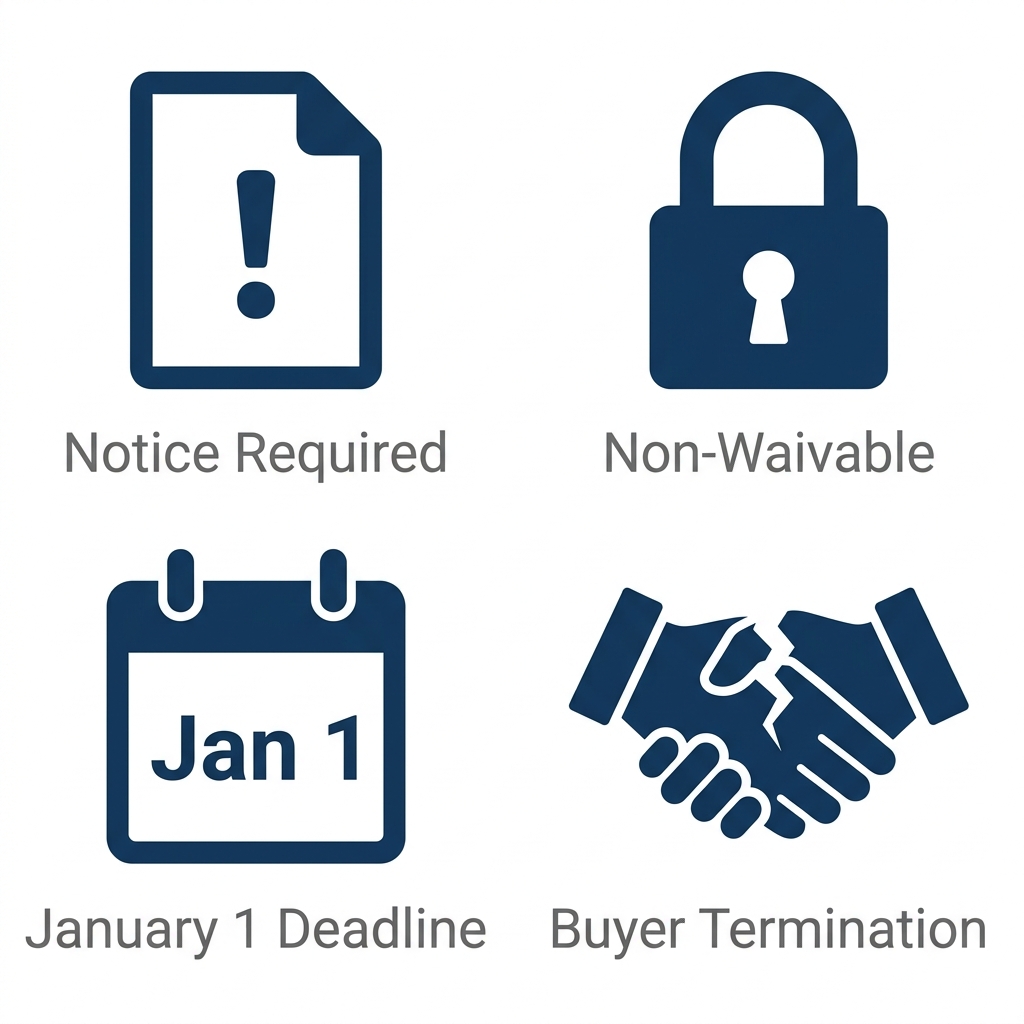
California law is clear that any effort to circumvent the mandate is void against public policy. Even contracts stating the sale is “as is” do not exempt the seller from delivering the electrical panel notice. Both the notice obligation and the buyer’s associated rights survive the purchase agreement. Failing to provide the disclosure on time does not cancel the obligation — it triggers specific remedies for the buyer.
Since these regulations apply to single-family homes, condos, and planned development units, most residential transactions across California will fall under these rules.
A seller’s failure to provide the disclosure of the electrical panel on time will allow the buyer the right to cancel the contract without penalty. The buyer will have three days to exercise this right if the disclosure is delivered to the buyer in person after the initial deadline, and will have five days to exercise this right if the disclosure is mailed or delivered electronically to the buyer after the initial deadline (Civ. Code § 1102.3).
For a seller of an older home, the timing of the disclosure becomes critical. Outdated panels and aluminum wiring are more common in homes built decades ago, and the inspection recommended in the SB 382 notice may reveal costly upgrade needs.
Impacts on Homeowners Selling Older California Properties
Understanding the California SB 382 electrical panel disclosure is essential when selling an older home. Disclosure requirements place specific obligations on sellers, and an outdated electrical panel can create unexpected hurdles during a real estate transaction. For owners of vintage California properties, being proactive about panel evaluation before listing can prevent delays and strengthen their negotiating position.
Potential buyers and their home inspectors frequently identify older electrical panels as a repair item, which can lead buyers to request a panel inspection or ask for concessions. In a competitive market, an outdated panel that doesn’t meet current code requirements may give buyers leverage to slow the process or push for a price reduction. When a panel is flagged late in escrow, sellers often face rushed decisions and last-minute electrical repair costs that could have been managed earlier.
Addressing the panel ahead of time changes the conversation entirely. A pre-listing electrical panel evaluation by a licensed professional uncovers deficiencies on the seller’s timeline, not under the pressure of a pending close. Upgrading the panel to meet modern code can improve property value and streamline the sale, giving buyers confidence that the home’s electrical backbone is sound. Transparency about electrical systems also shields the seller from future liability claims related to nondisclosure.
We recommend sellers consider this step well before listing an older home. Safety is our #1 priority, and an inspection from a qualified electrician is the most reliable way to confirm the panel is in safe operating condition. Our licensed electricians can provide a thorough panel evaluation that identifies issues early so that sellers have time to budget, schedule, and complete any necessary work without the stress of a pending sale. Focusing on electrical readiness eliminates a common deal-breaker and helps keep negotiations straightforward.
Given these impacts, it’s clear that a thorough professional electrical inspection before listing can help sellers navigate the process effectively.
The Importance of a Professional Electrical Inspection Before Listing
Older homes in California often contain outdated wiring, fuse boxes, or aluminum branch circuits that increase fire risk and can complicate a home sale. Understanding the role of a professional electrical inspection becomes critical before listing a home, especially because of the 2026 changes to disclosure requirements.
Starting January 1, 2026, sellers will be required to provide a written recommendation to home buyers to have a professional electrical inspection performed before closing the sale. According to Romola Law Group, this requirement cannot be waived. Any agreement to waive this requirement, or an “as is” sale, will not be enforced in court. The Civil Code of California gives a home buyer the right to cancel the sale within three to five days if the notice is delivered late.
A pre-listing electrical inspection alerts the seller to outdated panels, aluminum wiring, overloaded circuits, or missing GFCIs before the listing goes active. Addressing or disclosing these issues early reduces the risk of a buyer walking away or demanding last minute credits during the contingency period. A statutory notice that is accompanied by an inspection report provides evidence of good faith on the part of the seller and helps the buyer to understand why the seller has provided the statutory notice. This, in turn, may preclude the buyer from renegotiating the terms of the contract. An inspection also helps the seller satisfy the statutory notice and protects the seller from unintentional exposure to liability. Homes built many years ago, especially, may have numerous unreported electrical issues, and may benefit from an up-front approach. In our experience, sellers who take this step avoid the uncertainty and expense of rushed repairs right before closing.
We recommend hiring a licensed electrical contractor who understands the electrical code requirements in California. Our professionals offer lightning-fast response times, reaching your property within 60 to 90 minutes, so the inspection fits seamlessly into your listing timeline. Early detection of issues like outdated panels or missing GFCIs gives you time to make repairs before potential buyers arrive.
As mentioned above, beyond the immediate risk of a canceled sale, there may also be legal and financial exposure for sellers that do not satisfy these obligations. The failure to satisfy the inspection and disclosure requirements of the real property may result in significant exposure.
Penalties for Non-Compliance with SB 382 Disclosure Requirements
While a professional inspection can flag electrical panel problems, sellers in California must still satisfy the California SB 382 electrical panel disclosure requirements. Failing to do so can delay or derail the closing. Buyers and their lenders rely on the disclosure to help evaluate the safety of the property and what it may cost in the future.
Deals that don’t include a complete disclosure frequently stall at the last minute. A buyer who discovers an undisclosed panel issue after closing may pursue legal action, and a transaction can be voided entirely if the omission is material. Even when a sale proceeds, the seller may remain liable for defects that should have been reported.
California regulators can also impose penalties on parties who fail to provide required disclosures. Although specific fines and enforcement actions evolve over time, the possibility of financial consequences adds urgency to getting the paperwork right. When our team inspects a panel before listing, we make sure the disclosure reflects the actual condition of the equipment, helping sellers avoid these complications. Our electricians typically arrive within 60–90 minutes to begin inspections, helping identify issues early so sellers have time to correct or disclose defects before listing, where appropriate.
Because penalty details can change, we encourage you to confirm current requirements with a real estate attorney or the California Department of Real Estate before signing any disclosure. The information we provide here is general guidance; professional legal review is the best way to protect your interests.
For homeowners who live in communities governed by a homeowners association, SB 382 adds another level of disclosure. The HOA may also require additional disclosures or prohibit a particular panel upgrade, requiring the seller to align the disclosure with both the state and HOA requirements.
HOA Compliance and Electrical Panel Upgrades Under SB 382
There are additional hurdles for homeowners in HOA communities to consider when upgrading their electrical panels to satisfy California requirements. SB 382 disclosures oblige HOA compliance.
Before scheduling any panel upgrade, we advise homeowners to review their community’s Covenants, Conditions, and Restrictions (CC&Rs) and any published architectural guidelines. Most California HOAs classify electrical panel replacements as an exterior modification, which triggers a formal review process. The typical application package includes a description of the proposed work, the electrician’s license information, equipment specifications, and sometimes a site plan showing the panel’s location relative to property lines. Approval timelines vary by association—some boards meet monthly, while others take up to 45 days to issue a written decision. We recommend submitting the application as soon as a home sale enters the planning stage to prevent closing delays.
The smoothest outcome occurs when the homeowner, the licensed electrician, and the HOA Architectural Review Committee work together. Our trusted licensed electricians in your area have a lot of experience with HOAs and understand the types of documentation an HOA is likely to expect. They can also provide load calculations and specifications for the electric service panel and permit-ready drawings that strengthen the application. They can also provide documentation of their licensure and bonding for the HOA file. They can also prepare the permit application and inspection schedules to enhance the application. They also schedule inspections with the local building authority, which an HOA may require before signing off on project completion. Keeping every approval letter and inspection certificate organized supports the seller’s disclosure obligations under California law.
The professional guidance we provide homeowners to get past the paperwork and technical hoops simplifies the process of satisfying both HOA requirements and the electric panel disclosure requirements. Our purpose is to help homeowners navigate paperwork to make the home sale process easier.
Frequently Asked Questions
What does the california senate bill 382 require sellers to disclose about electrical panels?
California Senate Bill 382 requires sellers to deliver a written statutory notice recommending that buyers obtain a professional electrical system inspection to assess fire risks and insurability. The mandate takes effect January 1, 2026, and applies to single-family homes and condos. The notice cannot be waived, even in ‘as is’ sales.
How does sb 382 affect homeowners selling older properties in san francisco?
SB 382 requires San Francisco sellers of older properties to provide the same mandatory inspection notice. Older homes in San Francisco often contain outdated panels, aluminum wiring, or knob-and-tube systems that may emerge during a buyer’s inspection, potentially prompting repair requests or price concessions. A pre-listing evaluation helps sellers address these issues early.
Do i need a professional electrical inspection before listing my home under sb 382?
No, SB 382 does not require the seller to conduct a professional electrical inspection. The law only mandates that the seller give the buyer a written notice recommending one. High Voltage Electrical’s guidance advises a pre-listing inspection to voluntarily uncover outdated panels or safety problems and avoid last-minute deal disruptions.
What are the penalties for not disclosing electrical panel conditions in california?
Failure to deliver the SB 382 inspection notice on time gives the buyer the right to cancel the contract. The buyer has three days to cancel after personal delivery or five days after mail or electronic delivery. Sellers may also face legal liability and potential regulatory fines, though exact penalties are not specified.
Does sb 382 mandate electrical panel upgrades for hoa compliance?
No, SB 382 does not mandate electrical panel upgrades. It only requires a disclosure notice. However, homeowners in HOA communities should review their association’s CC&Rs, as many HOAs classify panel upgrades as exterior modifications that require architectural review and approval before work begins.
Ensuring Compliance and Protecting Your California Home Sale with Professional Guidance
Navigating California SB 382 electrical panel disclosure requirements doesn’t have to be stressful—working with a licensed, professional electrician ensures your home sale complies with state law. We arrive within 60–90 minutes, inspect your panel, verify code compliance, and deliver necessary paperwork to satisfy disclosure obligations. With nearly two decades of experience serving homeowners across California, we understand the state’s evolving code requirements and can provide the detailed panel assessment and certification your sale demands. Our 100% satisfaction guarantee (subject to terms) and safety-first approach ensure every job meets rigorous standards, giving you confidence at the closing table. Call us today at (855) 501-7800 for dependable, affordable high-quality electrical services that protect your home sale investment. All work meets or exceeds electrical codes and industry standards; results may vary based on individual circumstances. Licensed, insured, and bonded electricians handle all work. Emergency services are available 24/7, and privacy policy applies to all customer information.
Get Your Panel Inspected Today
You’ve learned the critical details of California’s SB 382 electrical panel disclosure rules effective January 1, 2026, including the non-waivable notice requirement and the buyer’s 3-to-5 day termination right for late disclosure. A professional pre-listing inspection helps you identify potential issues before they delay your sale. High Voltage Electrical’s licensed electricians provide thorough panel evaluations and upgrades to ensure your home meets modern safety and disclosure standards. With our 60-90 minute arrival response time guarantee and same-day service, you can move forward with confidence. We back our work with a 100% satisfaction guarantee (terms apply). Schedule your inspection today and sell your home without electrical panel surprises.
Get Your Panel Inspected Today